Winter Storm Water Leaks: What to Do When Water Leaks Into Your Ceiling
Come December, the weather becomes dreary with freezing rain, frigid temperatures, and unwelcome signs of cold dark days. Last on your Christmas list are winter storm water leaks in the house. Imagine this: you wake up on a frosty Wisconsin morning after a night of howling winds and relentless snowfall. The sunlight filters through your windows, and as you sip your first coffee, you notice it, a dark, damp spot on your living room ceiling. A slow, steady drip follows, accompanied by the unmistakable musty smell of water seeping where it shouldn’t. Panic sets in. What do you do next?
For homeowners in Wisconsin, winter storms can turn picturesque snow-covered roofs into ticking time bombs. When melting snow, freezing rain, or an ice dam causes water to leak into your home, acting quickly can mean the difference between minor repairs and a major headache. Whether this is your first encounter with storm-related water damage or you’ve been here before, knowing the most cost-effective steps to take can save your home—and your wallet—from significant trouble.
This guide is here to walk you through exactly what to do when you spot a leak, who to call for help, and how to prevent future damage, all tailored to the unique challenges of Wisconsin winters. Let’s dive in.
Recognize the Signs of a Winter Storm’s Water Leak
When it comes to water leaks, identifying the problem early is half the battle. It’s a bit like spotting the first cracks in a frozen lake. What seems minor can quickly expand into something much more dangerous.
Common Signs to Watch For
A water leak after a storm doesn’t always announce itself with a dramatic gush of water. Often, it’s subtle at first:
- A yellowish or brown stain spreading across your ceiling.
- Paint or plaster bubbling or peeling in small patches.
- A faint dripping sound when the house is otherwise silent.
- A damp or musty smell in your attic or living space.
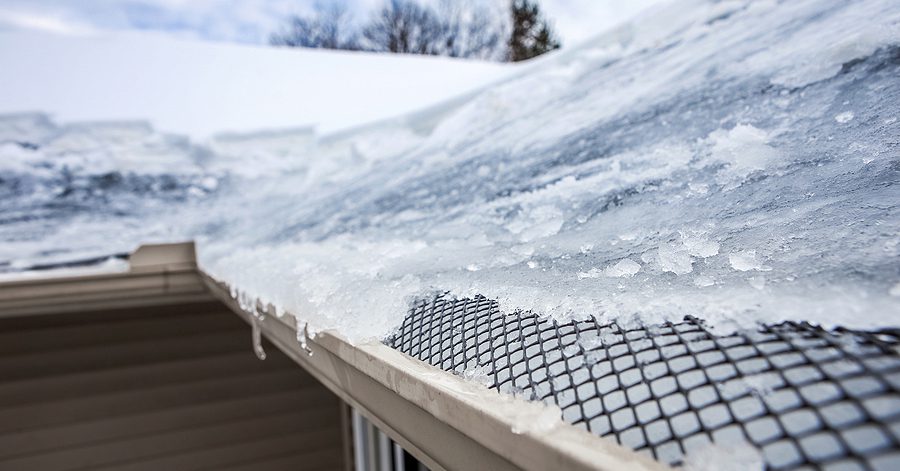
For Wisconsin homeowners, these signs can often be tied to issues like ice dams—those ridges of ice that form along the edge of your roof and trap melting snow behind them. When this trapped water has nowhere to go, it often seeps into your home through cracks or weak spots.
What If You Can’t Find the Source?
Sometimes, the source of the water isn’t obvious. In these cases:
- Inspect your attic for wet insulation or visible drips.
- Check for ice dams or missing shingles on your roof.
- Use a flashlight to look for water trails along walls or ceilings.
Think of your home as a detective puzzle. Every sign is a clue, and finding the source of the leak is key to stopping further damage. If you’re unsure or can’t find the source, it’s time to call in a professional restoration company equipped to track down and address the issue.
Visual Guide

By recognizing the signs early, you can prevent a small inconvenience from becoming a costly disaster. In the next section, we’ll walk you through immediate steps to minimize the damage once a leak has been spotted.
Immediate Steps to Minimize Damage
When a water leak strikes, time is your most valuable asset. Think of it like trying to catch a snowball rolling downhill. Act quickly, and you can stop it in its tracks. Wait too long, and it grows into an avalanche of costly repairs. Here’s what you should do immediately after spotting a leak.
1. Contain the Water
First things first: stop the damage from spreading.
- Catch the Drip: Place a bucket, bowl, or any waterproof container under the leak to collect dripping water.
- Protect Your Belongings: If water is pooling on furniture or the floor, move items out of harm’s way or cover them with plastic sheeting.
- Cover the Source (If Accessible): If you can safely reach the area causing the leak, use a tarp or plastic wrap to temporarily seal it until help arrives.
Pro Tip: If the leak is close to electrical fixtures, shut off the power to that area to avoid a potential shock hazard.
2. Reduce Moisture Buildup
Water leaks often lead to excess moisture, which creates the perfect environment for mold growth.
- Open windows (if temperatures allow) to improve ventilation.
- Use fans or a dehumidifier to dry the area.
- Absorb standing water with towels or a wet-dry vacuum.
A homeowner in Madison once avoided a full-blown mold infestation by simply running a dehumidifier in her attic the moment she noticed damp insulation after a storm. Quick action saved her thousands in cleanup costs.
3. Identify the Cause (If Safe)
Knowing where the water is coming from will help determine your next steps.
- Check for obvious culprits, such as a broken shingle, clogged gutters, or an ice dam along the roof’s edge.
- Look for less apparent issues, like cracks in the ceiling or water pooling on the attic floor.
Remember, Wisconsin winters add an extra layer of complexity. Ice dams, in particular, are a common culprit. If you notice a buildup of ice at the edge of your roof, it’s a strong indicator that melting snow is being forced under your shingles and into your home.
4. Call for Professional Help
At this stage, it’s time to decide whether the issue is manageable on your own or requires expert intervention.
- When to DIY: Small leaks without structural damage may be manageable with basic tools and materials.
- When to Call a Pro: If the leak is widespread, you suspect mold, or you can’t locate the source, it’s best to contact a water damage restoration company.
By taking these immediate steps, you’re already ahead of the game in protecting your home and keeping costs manageable. In the next section, we’ll explore how to find the right professionals and what questions to ask to ensure you get the best help possible.
Finding the Right Professional Help in Ozaukee and Washington Counties
Once you’ve contained the immediate damage, the next step is finding a reliable professional to assess and repair the issue. Winter water damage requires specialized expertise, and your choice of contractor can make or break the success of your restoration. Luckily, homeowners in Ozaukee and Washington Counties have access to skilled restoration services tailored to the challenges of Wisconsin winters.
1. Look for Local Expertise
When searching for a restoration company, prioritize those familiar with the unique weather patterns and building styles in Wisconsin. Companies based in Ozaukee and Washington Counties often have experience dealing with:
- Ice dams and their impact on local roof designs.
- Snowmelt issues in older homes common to the region.
- High-humidity interiors caused by prolonged winter heating.
Example Companies: Check for local providers like Harrison’s Cleanup Restoration or Jordan’s Restoration, known for their fast response times during winter emergencies.
2. Ask the Right Questions
When contacting a restoration company, ensure they meet your needs by asking:
- Do you have experience with ice dam-related leaks?
- Can you provide references from other homeowners in Port Washington or Germantown?
- Do you work directly with insurance companies? This can streamline the claims process.
3. Check for Certifications and Insurance
The best companies will be certified by organizations like the IICRC (Institute of Inspection, Cleaning, and Restoration Certification) and carry insurance to protect your property during repairs.
4. Get a Detailed Estimate
After inspecting the damage, a reliable contractor should provide a clear and detailed estimate, including:
- The scope of work (e.g., water extraction, mold remediation, ceiling repairs).
- Estimated costs and a timeline for completion.
- Prevention recommendations, such as improving attic insulation or adding a roof heat cable.
By choosing a local expert, you’ll benefit from their understanding of the area’s specific challenges while supporting businesses within your community. In the next section, we’ll cover proactive measures to prevent winter water leaks in the first place.
Measures to Prevent Winter Storm’s Water Leaks
As the old saying goes, “An ounce of prevention is worth a pound of cure.” For homeowners in Ozaukee and Washington Counties, preparing your home before the winter storms hit can save you from the headache and cost of dealing with water damage later. Let’s look at some practical steps you can take to keep your home safe.
1. Prevent Ice Dams
- Improve Attic Insulation and Ventilation: Proper insulation keeps your roof at a consistent temperature, preventing snow from melting unevenly and refreezing at the edges. Consider working with local contractors who specialize in attic upgrades. Tip: Companies in Grafton or Port Washington often offer free assessments to check your insulation quality.
- Install Roof Heat Cables: These electric cables help melt snow and ice in problem areas, such as roof valleys and gutters. For Washington County residents, reaching out to providers in West Bend can be a great start.
- Clean Your Gutters Before Winter: Blocked gutters trap snow and ice, leading to dangerous backups. Schedule a cleaning service in fall to keep water flowing freely.
2. Monitor and Maintain Your Roof
Winter storms can expose weaknesses in your roof that might not be apparent during other seasons.
- Schedule a Pre-Winter Roof Inspection: Have a professional examine your roof for loose shingles, cracks, or weak spots.
- Trim Overhanging Branches: Heavy snow can cause tree limbs to break, potentially damaging your roof or creating new entry points for water.
3. Manage Interior Moisture
The warmth and humidity from indoor heating can exacerbate water damage if leaks occur.
- Use a Dehumidifier in Key Areas: Particularly in attics and basements, where moisture tends to accumulate.
- Keep an Eye on Humidity Levels: Aim to keep indoor humidity below 50% to prevent condensation on walls and ceilings.
4. Emergency Preparedness
Even with the best precautions, severe winter storms can overwhelm your defenses. Being prepared can help you act swiftly.
- Have Essential Supplies Ready: Buckets, tarps, and a wet-dry vacuum can help contain damage until help arrives.
- Keep Emergency Contacts Handy: Save the numbers of trusted local restoration companies in places.
By taking these proactive steps, you’ll not only protect your home from leaks but also improve its overall energy efficiency, saving you money on heating bills.
Conclusion
Wisconsin winters are beautiful but unforgiving, especially when it comes to protecting your home from storm-related water leaks. By recognizing the signs of a leak, acting quickly to minimize damage, and choosing the right professionals in Ozaukee and Washington Counties, you can navigate these challenges with confidence.
And remember, prevention is your best defense. Whether it’s insulating your attic, clearing your gutters, or scheduling a roof inspection, small steps now can save you from big problems later.
Don’t wait until the next storm hits, start protecting your home today and enjoy the peace of mind that comes with being prepared.
For expert water damage restoration services that prioritize your satisfaction and peace of mind, trust Harrison’s Cleanup & Restoration. Contact us today if you’re experiencing any of the issues we mentioned. We have the remedies tailored for your needs.




