
How To Manage Moisture With High Humidity Levels To Prevent Mold Growth
Imagine stepping into your basement on a warm summer afternoon, expecting to find a cool retreat from the day’s heat. Instead, you’re met with a musty, damp smell that instantly sets off alarm bells. For many homeowners in southeastern Wisconsin, this scenario is all too familiar. The region’s naturally high humidity levels, especially during the warmer months, create a perfect breeding ground for mold—an unwelcome guest that can quickly turn a comfortable home into a health hazard.
Understanding Humidity and Its Role In Mold Growth
The Basics of Humidity
Why High Humidity Promotes Mold Growth
Mold is a bit like an uninvited guest at a party. It thrives in conditions that we often try to avoid. For mold spores, high humidity is the equivalent of an all-you-can-eat buffet. When the RH in your home stays above 60%, the moisture in the air begins to settle on surfaces like walls, ceilings, and floors. This creates a damp environment where mold can easily take root and start to grow.
The Wisconsin Connection
A Local Example

Identifying High Humidity Areas in Your Home
Common Problem Areas
Start by considering the usual suspects—rooms like basements, attics, bathrooms, kitchens, and crawl spaces. Each of these areas has its own set of challenges when it comes to humidity.
- Basements – Basements are notorious for being damp, especially during the summer months. The cool, underground space naturally collects moisture, and without proper ventilation, it can become a mold haven. I recall working with a homeowner in Washington County who had always loved the coolness of their basement in the summer, using it as a retreat from the heat. But over time, that coolness came at a cost. The damp air led to mold growth along the walls, which remained hidden until the unmistakable odor gave it away.
- Attics – At the opposite end of the house, attics can also be problem areas. During the summer, the heat rises, and if your attic isn’t properly ventilated, it can trap moisture from the air below. The trapped moisture, combined with the heat, creates a perfect storm for mold growth. Imagine your attic as a forgotten storage room—out of sight, out of mind—until one day, you decide to retrieve a box of holiday decorations and discover that mold has taken over.
- Bathrooms and Kitchens – Bathrooms and kitchens are naturally humid due to the constant use of water. Every hot shower or boiling pot of water releases steam, which, if not properly ventilated, can linger in the air and settle on surfaces. I often advise homeowners to think of these rooms as the lungs of the house—they need to breathe. Without good ventilation, they can quickly become overwhelmed by moisture.
- Crawl Spaces – Crawl spaces, often neglected, are another common area where humidity can accumulate. Because they’re close to the ground, they can absorb moisture from the soil, especially after heavy rains. A client in Ozaukee County once shared how they had completely forgotten about their crawl space until a routine inspection revealed mold growing on the wooden beams. It’s a small, often hidden space, but it can cause big problems if left unchecked.
How to Measure Humidity Levels
Signs of Excessive Moisture
A Local Example
How To Use A Hygrometer In Your Home
To make this process easier for you, here is a knowledgeable expert walking you through ‘how to use a hygrometer in your home’ explaining what the readings mean and what steps to take if they’re too high.
Practical Tips for Managing Humidity Levels
Now that you’ve identified the areas in your home where humidity tends to accumulate, the next step is to take action. Managing humidity levels doesn’t have to be a daunting task; with a few practical tips, you can create an environment that’s less inviting for mold. Think of it as fortifying your home’s defenses. Simple measures can go a long way in keeping moisture under control and mold at bay.
Using Dehumidifiers
Picture a homeowner in Ozaukee County who had struggled for years with a damp basement. Every summer, the humidity would rise, and they’d notice that unmistakable musty odor creeping in. They tried everything—opening windows, running fans—but nothing seemed to keep the moisture at bay. Then, after consulting with a local expert, they decided to invest in a dehumidifier. The difference was immediate and noticeable. Within days, the air felt fresher, the musty smell was gone, and they could finally use their basement without worry.
Ensuring Proper Ventilation
Ventilation is another key factor in managing humidity. Think of your home as a living, breathing entity. It needs good airflow to stay healthy. Without proper ventilation, moisture can build up, leading to the same problems we’ve discussed.
Consider the story of a Washington County family who renovated their bathroom, replacing the old, noisy exhaust fan with a modern, quiet model. At first, they rarely used the new fan, thinking it wasn’t necessary unless the mirror fogged up after a shower. But as time passed, they began to notice small patches of mold appearing in the corners of the ceiling. After some research, they realized that the lack of ventilation had allowed moisture to accumulate, creating the perfect conditions for mold growth. They started running the fan every time they used the bathroom, and the mold stopped spreading.
Regular Maintenance
HVAC Systems and Humidity Control
Indoor Plants and Moisture Control
A Local Example

Check out some of the best dehumidifiers on the market vetted by Forbes. See list +
Seasonal Considerations and How to Adapt
Battling the Summer Heat and Humidity
Summers in Ozaukee, Washington, and Sheboygan Counties can be hot and sticky, with high humidity levels making the air feel even heavier. During these months, managing humidity is a top priority. Imagine your home as a sponge, soaking up the moisture from the hot, humid air outside. If left unchecked, that moisture can seep into every corner, creating the perfect environment for mold to thrive.
Preparing for Fall with the Cold Months Ahead
Keeping Humidity in Check Without Over-Drying
in Winter
To maintain a healthy humidity level during the winter, consider using a humidifier, but be cautious not to over-humidify. The ideal indoor humidity level in winter is around 30-40%. Also, make sure to monitor areas where condensation might form, such as windows and exterior walls. If you notice condensation, it’s a sign that the humidity is too high, and you should reduce it to prevent mold growth.
Managing the Melt in Spring and Preparing for Heat
A Local Example
You won’t hear stories about your neighbors mold infestations, but we do. They relate to many other local homeowners who struggle with seasonal humidity changes in their older homes. Each season brings a new challenge—summers are humid, winters are dry, and spring brings concerns about water intrusion. By taking a proactive approach and addressing each season’s specific humidity challenges, many are able to maintain a comfortable, mold-free home year-round.
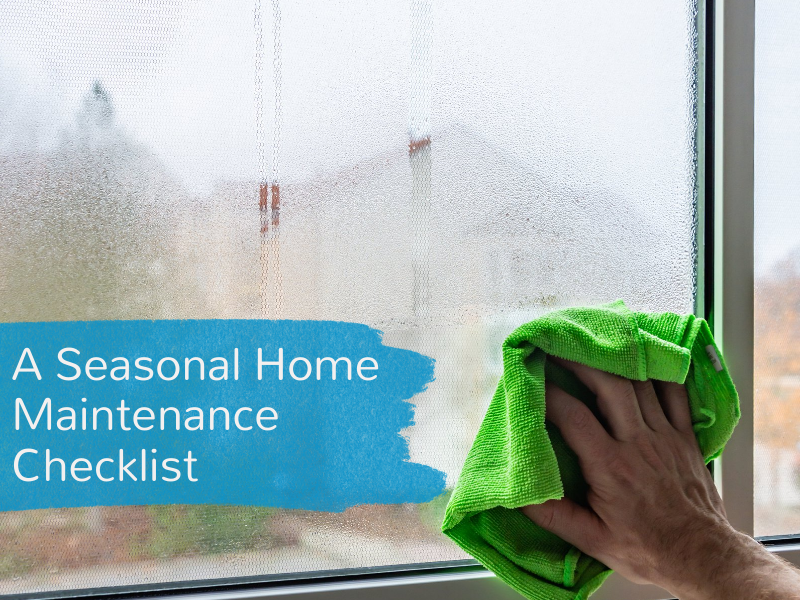
Courtesy of Quality Seamless Gutters. See if you have checked everything off the list so far this year. See list +
Have You Learned Something Today?
Let’s Recap
1. Understanding the Link Between Humidity and Mold Mold thrives in environments where humidity levels are high. By recognizing the signs of high humidity, like condensation on windows or musty odors, you can take early action to prevent mold growth. The story of a homeowner who battled mold in their basement due to unchecked humidity serves as a reminder that vigilance is key.
The Importance of Prevention
Prevention is your best defense against mold. By managing humidity levels, you not only safeguard your home but also protect your family’s health and your peace of mind. Mold can cause serious health issues, particularly for those with allergies or respiratory conditions, and the cost of mold remediation can be substantial. By taking simple, proactive steps—like using dehumidifiers, inspecting your home for moisture, and choosing the right building materials. You can prevent mold before it becomes a serious problem.
What You Can Do Right Now
Friendly Reminder: Protect your home, your health, and your peace of mind by keeping humidity under control. Your home is your sanctuary, and with a little care, you can ensure it remains a safe and healthy place for you and your family. If you come across any noticeable odors, water leaks, or mold we recommend calling an indoor hygienist to determine if you have a microbial issue. If their report shows your property does have an issue, then give us a call at Harrison’s Cleanup & Restoration to set up an inspection to proceed with mold remediation.