Dealing with Winter Water Damage
and Mold Growth in Your Home
Winter brings a picturesque landscape of snow-covered surroundings and cozy moments by the fireplace. However, amidst this seasonal beauty lurks a silent and often overlooked threat – mold. As temperatures drop and homes seal up against the cold, the risk of water damage and subsequent mold growth increases. In this comprehensive guide, we’ll explore the hidden dangers of winter mold, how it relates to water damage, and effective strategies to identify and address this perilous issue.
Understand the Link Between Water Damage
and Mold:
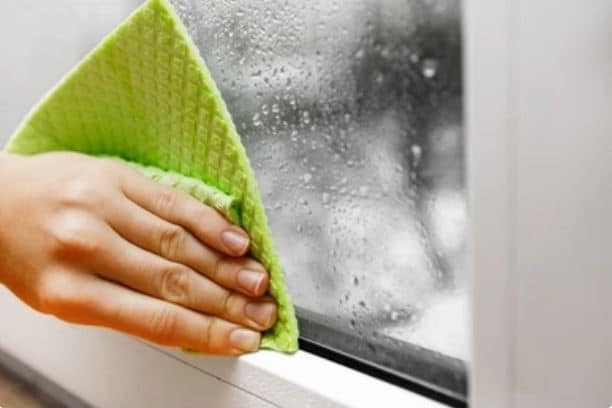
Water damage is a common precursor to mold growth. During the winter, various factors contribute to this risk. Leaky roofs, poorly insulated walls, and foundation cracks can allow moisture to seep into the home. Add fluctuating temperatures and condensation on windows, and you have the perfect recipe for mold development. The key to mold prevention is understanding and addressing the underlying water damage issues.
Identifying Water Damage and Mold Warning Signs:
1. Musty Odors
Mold often produces a distinct musty smell. If you notice an unpleasant, earthy odor, it’s crucial to investigate the source.
2. Visible Water Stains
Stains on ceilings, walls, or floors may indicate water intrusion. Regularly inspect these areas for any discoloration or signs of dampness.
3. Peeling or Discoloration of Surfaces
Water damage can lead to paint or wallpaper peeling, and surfaces may develop dark or discolored patches.
4. Increased Allergy Symptoms
Mold spores can trigger allergies. If you or your family members experience an uptick in allergy symptoms during winter, mold could be the culprit.
Preventing Winter Mold Growth:
1. Proactive Inspection
Conduct regular home inspections, especially in vulnerable areas like basements, attics, and crawl spaces. Look for signs of water damage, and address issues promptly.
2. Proper Ventilation
Ensure proper ventilation in high-moisture areas such as bathrooms, kitchens, and laundry rooms. Consider using exhaust fans to reduce humidity levels.
3. Sealing Leaks
Seal any leaks in your roof, windows, doors, and foundation promptly. This will prevent water from entering your home and creating conditions conducive to mold growth.
4. Insulation
Adequate insulation helps regulate indoor temperatures and prevents condensation. Pay special attention to areas prone to cold drafts, as condensation can accumulate there.
Dealing with Winter Mold Remediation
1. Professional Assessment
If you suspect mold growth, consult with a professional mold remediation specialist to conduct a thorough assessment of your home.
2. Mold Removal
Remediation involves removing mold-infested materials, cleaning and disinfecting affected areas, and addressing the root cause of the problem to prevent recurrence.
3. Humidity Control
Invest in dehumidifiers to maintain optimal humidity levels in your home. This inhibits mold growth and promotes a healthier living environment.
Winter mold is a hidden threat that can compromise the safety and well-being of your home and family. By staying vigilant, identifying warning signs, and taking proactive measures to prevent water damage, you can effectively safeguard your home from the clutches of mold. Remember, early detection and swift action are the keys to a mold-free winter haven. Stay informed, stay vigilant, and enjoy the beauty of winter without compromising your home’s integrity.
For professional assistance with water damage restoration or to learn more about safeguarding your home, contact Harrison’s Cleanup & Restoration today. Our experienced team is dedicated to helping you protect your home from water damage and its associated challenges.