
Preventing Frozen Pipes: Essential Tips to Avoid Water Damage and Mold This Winter
As the winter months approach, homeowners need to be especially vigilant about protecting their homes from the cold. One of the most common and costly winter mishaps is frozen pipes. When temperatures drop, water in uninsulated or exposed pipes can freeze, causing them to expand and eventually burst. This can lead to significant water damage, disrupt your water supply, and create a perfect environment for mold growth. Preventing frozen pipes is critical to safeguarding your home and avoiding costly repairs.
In this blog post, we’ll cover practical strategies for preventing frozen pipes, including how to insulate pipes properly and methods for keeping a consistent temperature throughout your home. We’ll also explore how to avoid the devastating effects of water damage from burst pipes, and discuss how frozen pipes can contribute to mold growth, further complicating repairs and home restoration. With winter right around the corner, now is the time to take action and ensure your home is prepared to withstand the cold. By following these tips, you can save yourself from potential headaches and expenses—and keep your home safe and dry all season long.
Tips for Insulating Pipes
One of the most effective ways to prevent your pipes from freezing during the colder months is proper insulation. When temperatures plummet, exposed or poorly insulated pipes are at risk of freezing, which can lead to a burst pipe and costly water damage. Insulating your pipes helps maintain a stable water temperature, even in unheated or minimally heated areas of your home. Here are some practical tips for insulating your pipes and reducing the chances of a winter disaster:
1. Use Foam Pipe Insulation
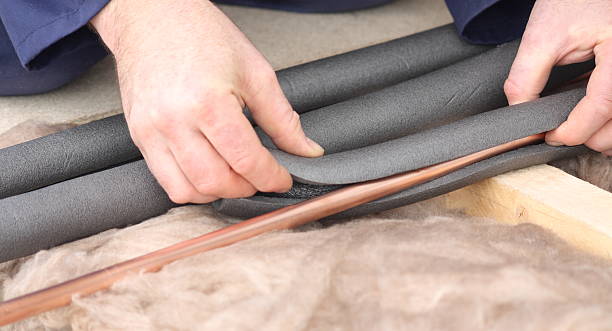
One of the easiest and most affordable ways to protect your pipes is by wrapping them in foam insulation. Foam pipe sleeves are readily available at hardware stores and come in a variety of sizes to fit most pipe diameters. These sleeves offer great thermal resistance, keeping the pipes insulated from the cold. For extra protection, you can use insulated tape or wrap, which adds an additional layer of defense against freezing temperatures.
2. Install Heating Cables or Tape
If you live in an area that experiences extreme cold, you might want to invest in electric heating cables or heat tape. These products are designed to be wrapped around pipes and plugged into an electrical outlet, providing a constant low-level heat to prevent freezing. Heating cables are especially useful for pipes that are particularly vulnerable, such as those in unheated attics, crawl spaces, or basements.
3. Insulate Attics, Basements, and Crawl Spaces
Pipes that run through attics, basements, and crawl spaces are more prone to freezing because these areas often lack the consistent temperature control of the rest of the house. Adding extra insulation to these spaces can make a big difference. Insulating the walls or floors of these areas with fiberglass or foam board insulation helps prevent cold air from seeping in and affecting the temperature of your pipes.
4. Seal Gaps and Cracks Around Pipes
Even if your pipes are well insulated, gaps and cracks in the walls, floors, or around windows can allow cold air to seep in, creating a draft that can freeze the pipes. Be sure to seal any openings around pipes with caulk or expanding foam. Pay particular attention to areas where pipes enter or exit your home, such as at exterior walls or near vents.
5. Use Pipe Insulation for Exterior Faucets
Outdoor faucets are especially vulnerable during the winter months. If possible, disconnect hoses and store them for the season. Then, insulate the outdoor faucet with a foam cover or insulation blanket to prevent freezing. For added protection, you can install an interior shut-off valve to stop the flow of water to outdoor pipes, which can prevent water from sitting in the pipe and freezing.
By taking these simple steps to insulate your pipes, you can significantly reduce the risk of frozen pipes and the water damage they can cause. However, insulation alone might not be enough to keep your pipes from freezing in extreme cold. Keep reading for more strategies to ensure that your home stays safe from the threat of frozen pipes during the winter.

Keeping a Consistent Temperature in the Home
One of the simplest but most effective ways to prevent your pipes from freezing is to maintain a consistent temperature inside your home, especially during the cold winter months. While insulating your pipes helps protect them from extreme temperatures, keeping the overall temperature in your house stable can further reduce the risk of frozen pipes. Here’s how to ensure your home stays warm enough to protect your plumbing:
1. Keep the Thermostat Set to the Same Temperature
Many homeowners make the mistake of lowering the thermostat at night or when they’re away, thinking they’ll save energy. However, even a slight drop in temperature can put your pipes at risk—particularly in rooms that are unheated or have poor insulation. It’s a good rule of thumb to keep your thermostat set to a consistent temperature, ideally no lower than 55°F (13°C), even when you’re not at home. This ensures that areas where pipes are located remain above freezing and helps prevent pipes from experiencing sudden temperature fluctuations that could lead to freezing.
2. Use Space Heaters in Vulnerable Areas
Certain areas of your home, like basements, crawl spaces, or attics, may be more prone to cold air, leaving pipes vulnerable to freezing. If you have pipes running through these areas, it’s a good idea to use space heaters to keep the temperature steady. Just be sure to place the heater in a safe location, away from flammable materials, and never leave it unattended.
3. Open Cabinet Doors in Kitchens and Bathrooms
Pipes running through cabinets, especially in exterior walls, can freeze if the temperature drops enough. To prevent this, open the cabinet doors in your kitchen and bathrooms during cold weather. This allows warm air from your home to circulate around the pipes, keeping them warmer. This is particularly important at night when temperatures tend to dip the lowest.
4. Consider Installing a Smart Thermostat
A smart thermostat offers homeowners greater control over the temperature of their home. With a smart thermostat, you can set schedules for heating, monitor your home’s temperature remotely, and receive alerts if the temperature drops below a certain threshold. This can be particularly useful for homeowners who travel during the winter or want to ensure their home stays heated while they’re at work. A smart thermostat can also help you reduce energy costs by adjusting the temperature when you’re not home, without putting your pipes at risk.
5. Seal Windows and Doors to Retain Heat
While you’re focused on keeping your home warm, don’t forget about drafts and air leaks. If cold air is leaking in through windows or doors, it can cause temperature fluctuations that may affect the pipes near exterior walls. Make sure to seal any gaps around windows, doors, or vents with weatherstripping or caulk. Adding heavy curtains or blinds over windows can also help retain heat, especially at night when outdoor temperatures are at their lowest.
By keeping a consistent temperature in your home and addressing potential areas of cold air infiltration, you can provide your pipes with the warmth they need to avoid freezing. However, even with the best efforts to maintain indoor warmth, pipes in particularly vulnerable areas may still face risks. The next section will focus on additional steps you can take to prevent costly water damage caused by burst pipes in winter.
Methods to Prevent Costly Water Damage
from Burst Pipes in Winter
Frozen pipes are a major concern for homeowners, but the real danger comes when these pipes burst due to the pressure of expanding ice. When a pipe bursts, the water inside is suddenly released, which can quickly flood your home, causing significant water damage. The cost of repairs can be astronomical—repairing damaged plumbing, restoring water-damaged walls and flooring, and addressing potential structural issues are all costly undertakings. Fortunately, there are several ways you can prevent burst pipes and the water damage they bring.
1. Know the Vulnerable Areas in Your Home
Not all pipes are at equal risk of freezing. Pipes located in areas with limited heat circulation are more likely to freeze and burst. These areas typically include exterior walls, attics, basements, crawl spaces, and garages. Make a note of where your pipes run and pay special attention to areas that are not heated or that experience significant temperature fluctuations. Identifying these at-risk areas early on can help you take preventative measures before the cold sets in.
2. Turn Off Water Supply to Outdoor Faucets
Outdoor faucets and sprinkler systems are particularly vulnerable during the winter months. Any water left in these pipes is prone to freezing and expanding, leading to ruptured pipes and potentially severe water damage. To prevent this, be sure to shut off the water supply to outdoor faucets and drain any remaining water from the pipes. You can also purchase insulated faucet covers to add an extra layer of protection. For sprinkler systems, consider hiring a professional to blow out the system and remove water before winter arrives.
3. Keep Water Flowing During Extreme Cold
If you know a cold snap is on the way, you can take a simple precaution to reduce the risk of frozen pipes: let your faucets drip. Allowing a small stream of water to flow through the pipes keeps water moving, which makes it less likely to freeze. This method works best for pipes in areas that are prone to freezing, such as in exterior walls or uninsulated spaces. Even a trickle of water can prevent a buildup of pressure that could lead to a burst pipe.
4. Use Pipe Insulation and Heating Elements
in Critical Areas
As mentioned in earlier sections, insulating pipes in areas like basements, attics, and crawl spaces is crucial to preventing freezing. In especially cold climates, you may want to consider using pipe heating cables or heat tape in these critical areas. These devices are designed to keep water flowing and maintain a steady temperature in vulnerable pipes, even when the outside temperatures dip well below freezing.
5. Install an Automatic Shut-Off Valve
For added protection, consider installing an automatic shut-off valve in your home. This smart technology can sense when a pipe is at risk of bursting due to freezing or excessive pressure, and it will automatically shut off the water supply to prevent a flood. While these systems can be expensive to install, they provide peace of mind knowing that if a pipe were to freeze and burst, the damage would be minimized. If you’re in an area with particularly harsh winters, an automatic shut-off valve may be a worthwhile investment.
6. Monitor the Temperature in Your Home
In addition to keeping your thermostat at a steady temperature, it’s a good idea to monitor the temperature in rooms that are more susceptible to freezing. Many home improvement stores sell temperature monitors that allow you to track the temperature in specific areas of your home, such as the basement or attic. By keeping an eye on these temperatures, you can take action before pipes freeze and burst, such as turning up the heat or using space heaters to raise the temperature in vulnerable areas.
By taking proactive steps to prevent frozen pipes, you can greatly reduce the risk of costly water damage. However, even with all the preventive measures in place, it’s still important to be aware of the potential for mold growth after a pipe bursts. Mold thrives in damp environments, and water damage from a burst pipe can create the perfect breeding ground. In the next section, we’ll discuss the relationship between frozen pipes and mold, and how you can prevent mold from spreading in your home after a burst pipe.
Mold from Frozen Pipes: How to Prevent
and Address It
When pipes freeze and burst, the immediate concern is often the flooding and water damage, but one of the longer-term dangers is the potential for mold growth. Mold thrives in damp environments, and water damage from burst pipes creates the ideal conditions for mold to take hold. If left unchecked, mold can spread rapidly, leading to health issues, unpleasant odors, and even more expensive repairs. This makes it essential to act quickly and address any water damage caused by frozen pipes to prevent mold from setting in.
1. Act Quickly to Dry Out Wet Areas
The most important thing you can do to prevent mold growth is to remove moisture as quickly as possible. If you have experienced a burst pipe, it’s crucial to dry out the affected area within 24 to 48 hours to prevent mold spores from taking root. Start by shutting off the water supply and cleaning up any standing water with a wet/dry vacuum or towels. Open windows to improve air circulation, and use fans and dehumidifiers to help speed up the drying process. The faster you can dry out the affected area, the less likely mold will have a chance to develop.
2. Inspect Hidden Areas for Moisture
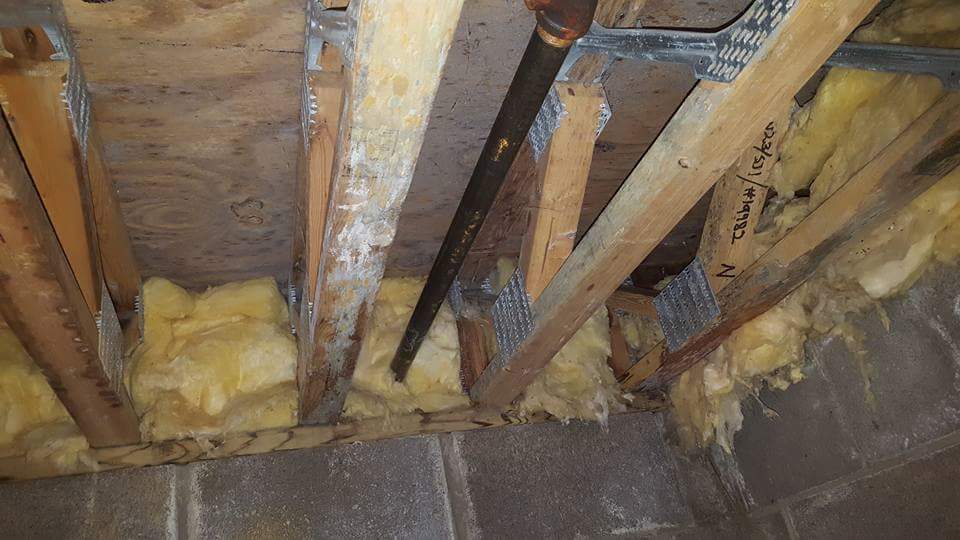
Mold can grow in hidden places, such as behind walls, under floors, or in insulation. When water seeps into these areas after a burst pipe, it can remain trapped and create a perfect environment for mold. If the water damage is extensive, it may be necessary to remove drywall, baseboards, or flooring to inspect for moisture and mold growth. If you’re unsure whether an area is dry, consider using a moisture meter to check the levels in walls or floors. This will help you catch hidden moisture before mold can take hold.
3. Clean and Disinfect Affected Areas
Once you’ve dried the affected areas, it’s important to clean and disinfect surfaces that may have come into contact with water. Mold spores can begin to grow even on dry surfaces if they’re exposed to moisture for long enough, so thorough cleaning is essential. Use a mixture of water and detergent to scrub any hard surfaces, and consider using a mold-killing solution like vinegar or hydrogen peroxide to disinfect the area. For porous materials like carpets, upholstery, or insulation that have absorbed water, it may be necessary to replace them to prevent mold from taking hold.
4. Prevent Future Mold Growth with Proper Ventilation
After drying and cleaning the area, improving ventilation can help prevent future mold issues. Use fans and dehumidifiers to reduce moisture levels in areas like basements, crawl spaces, and bathrooms, where mold is most likely to develop. Keeping humidity levels in your home between 30 and 50 percent can help inhibit mold growth. You might also want to consider installing exhaust fans in areas prone to moisture buildup, such as kitchens and bathrooms.
5. Regularly Inspect for Mold and Moisture Issues
Even after addressing the immediate aftermath of a burst pipe, it’s important to keep a regular eye out for signs of mold. Mold can grow slowly and may not be immediately visible, so regular inspections of areas affected by water damage are key. Pay particular attention to hidden or poorly ventilated areas like basements, attics, and behind walls. If you spot any signs of mold, such as a musty smell or discoloration on walls or ceilings, it’s crucial to take immediate action to mitigate the spread before it becomes a bigger problem.
6. Consider Professional Mold Remediation
If you’ve experienced significant water damage or mold growth that you can’t control on your own, it may be worth hiring a professional mold remediation company. Mold specialists have the expertise and equipment to properly assess the damage, remove mold, and restore the affected areas to a safe condition. They can also help identify the source of moisture and advise on how to prevent future mold growth.
By addressing water damage from burst pipes quickly and taking steps to prevent mold, you can avoid some of the most serious long-term consequences of frozen pipes. Preventing mold isn’t just about protecting your home from structural damage; it’s also about safeguarding the health of your family. Mold can cause allergic reactions, respiratory issues, and other health problems, so prompt action is essential.
Final Thoughts
Frozen pipes are a serious concern for homeowners, but with a little preparation and attention, they can be easily prevented. From properly insulating your pipes to maintaining a consistent indoor temperature, there are several strategies you can use to reduce the risk of frozen pipes and avoid the costly damage they can cause. Additionally, addressing water damage quickly and preventing mold growth is just as important for protecting your home and your health.
As winter approaches, take the time now to prepare your home for the cold. By following the tips in this guide, you’ll be able to prevent frozen pipes, mitigate water damage, and keep your home safe from the mold that often follows in the wake of a burst pipe. Don’t wait until the first freeze—now is the perfect time to safeguard your home and avoid the headache of costly repairs and mold removal down the road.
For expert water damage restoration services that prioritize your satisfaction and peace of mind, trust Harrison’s Cleanup & Restoration. Contact us today if you’re experiencing any of the issues we mentioned. We have the remedies tailored for your needs.