Tips for Handling Water Damage Insurance Claims

Tips for Handling Water Damage Insurance Claims

Handling Water Damage Insurance Claims

Tips for Handling Water Damage Insurance Claims: Navigating the Process with Ease

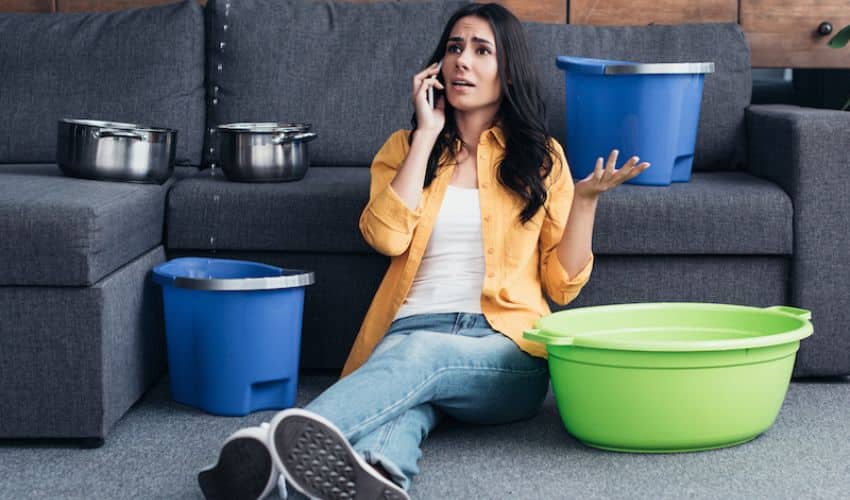
Facing water damage in your home can be a challenging experience, and navigating the insurance claims process adds an extra layer of complexity. To help you through this often overwhelming task, here are some straightforward tips to make handling water damage insurance claims a smoother process.

Report the Damage Promptly

When you discover water damage, report it to your insurance company as soon as possible. Timely reporting is crucial in initiating the claims process and preventing any potential complications. Now, let’s delve into the essential steps you should take after reporting the damage.

Documenting Water Damage

Document the Damage Thorougly

Document the damage with clear photographs and detailed notes. This documentation serves as crucial evidence for your claim, helping your insurance adjuster assess the extent of the damage accurately. Once you’ve documented the damage, the next step involves understanding your insurance policy.

Reviewing Insurance Policy

Review Your Insurance Policy

Take the time to thoroughly review your insurance policy. Understand the coverage limits, exclusions, and any specific requirements or obligations you must fulfill to ensure a successful claim. Now that you have a clear understanding of your policy, let’s discuss the importance of mitigating further damage. 

Mitigating Further Damage

Take reasonable steps to prevent further damage. This may include temporily repairing leaks, removing standing water, or covering exposed areas. Mitigating further damage is not only essential for your property but also for the success of your insurance claim. With these steps in place, communication with your insurance company becomes vital.

Insurance Claim Communication

Communicate Effectively

Maintain open and clear communication with your insurance company throughout the claims process. Provide all necessary documentation promptly and respond to inquiries promptly. As you navigate the claims process, keep an eye on the progress.

Track the Claims Process

Stay informed about the progress of your insurance claim. Regularly follow up with your insurance adjuster to ensure that your claim is processed efficiently and any necessary inspections are scheduled. While waiting for the claim to be processed, consider seeking professional assistance.
About Harrison's Cleanup & Restoration Founder Michael Coyle

Seek Professional Assistance

If the claims process becomes complex or overwhelming, consider seeking assistance from a public adjuster or a water damage restoration company with experience in dealing with insurance claims. In the final steps, be sure to keep detailed records of all interactions and expenses related to the claim. A restoration company will be able to give you advice on whether the claim is necessary and areas to save you costs.

Keep Detailed Records

Maintain a comprehensive record of all communications, receipts, and expenses related to the water damage and the claims process. Having organized records will prove beneficial in case of disputes or additional documentation requests. In conclusion, following these tips can significantly simplify the water damage insurance claims process.

Save Money with Harrison's

Save Money with the Right Water Damage Company

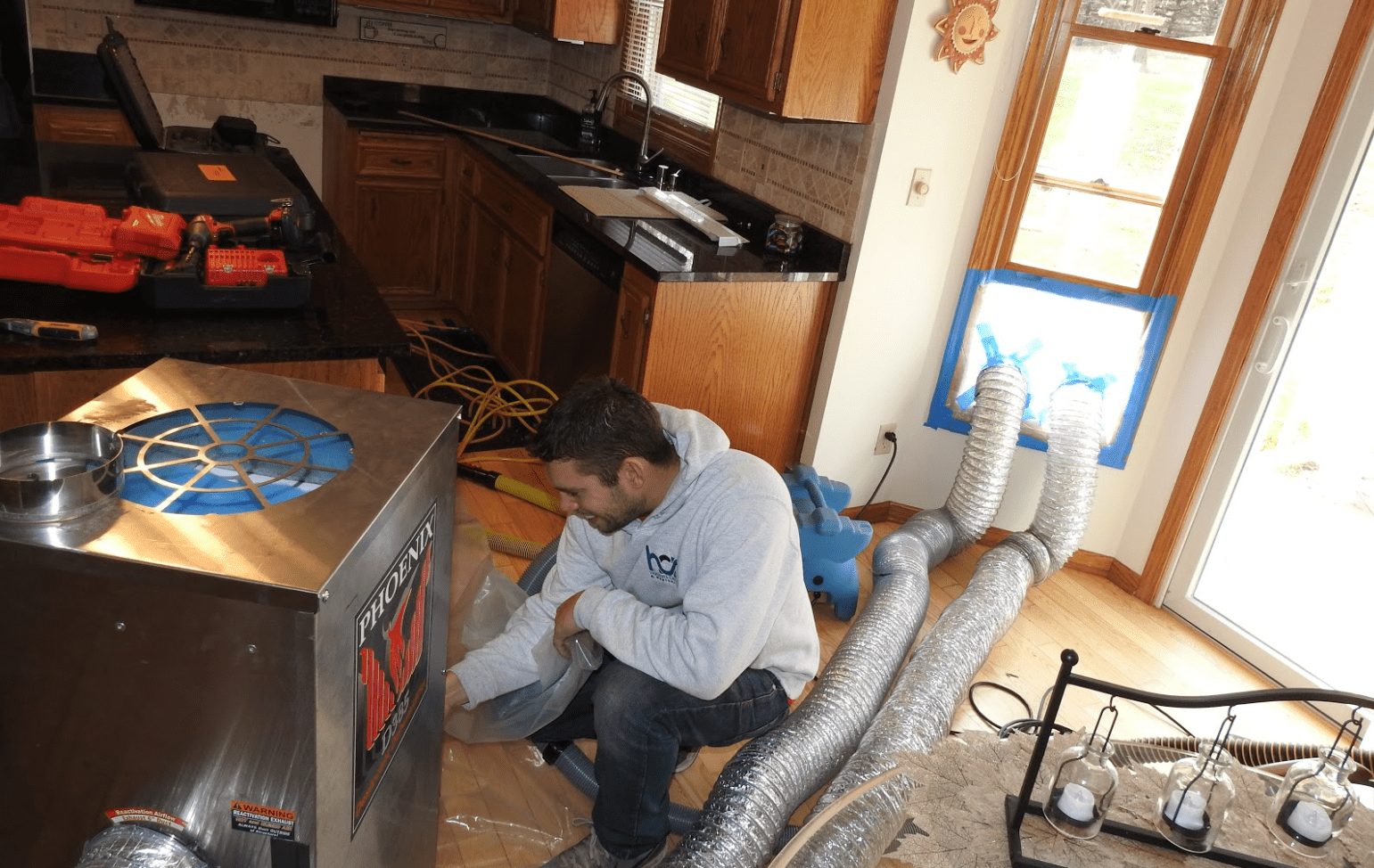
Additionally, when enlisting the services of a water damage restoration company like Harrison’s Cleanup & Restoration, you gain the advantage of experienced professionals who can assist in navigating the insurance claim process. Our team works closely with clients to document the extent of the damage thoroughly, providing clear and comprehensive evidence for insurance adjusters. We understand the nuances of insurance policies and can help homeowners identify areas where cost-effective solutions can be implemented without compromising the quality of restoration. By leveraging our expertise, clients often find opportunities to save money on their claims, ensuring that the restoration process is not only efficient but also financially sensible. Our commitment to transparent communication and detailed record-keeping further facilitates a seamless interaction between the homeowner, the insurance company, and our restoration experts, ultimately leading to a successful and cost-effective resolution of the water damage restoration process.

Handling water damage insurance claims may seem daunting, but with timely action, clear communication, and attention to detail, you can navigate the process with confidence. Remember to document, communicate, and stay informed throughout the journey. If you encounter challenges, don’t hesitate to reach out to us at Harrison’s Cleanup & Restoration to assist a smoother resolution for your water damage restoration.

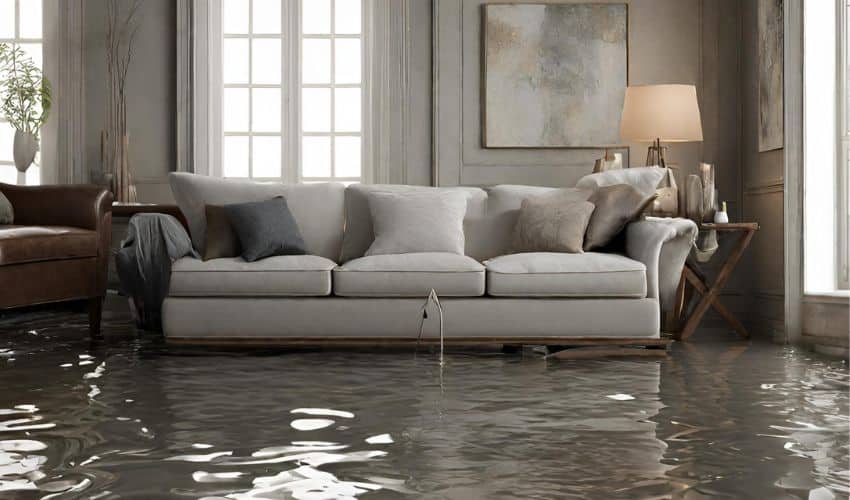
The Importance of Prompt Water Damage Restoration

The Importance of Prompt Water Damage Restoration

Importance of Prompt Water Damage Restoration

The Importance of Prompt Water Damage Restoration: Safeguarding Your Home and Health

Water damage is a homeowner’s nightmare that can strike at any time, posing a threat to both property and well-being. When faced with the aftermath of a flood, burst pipe, or leaking roof, prompt water damage restoration becomes paramount. In this blog post, we’ll explore the critical reasons why swift action is essential in safeguarding your home and health.

Preventing Mold Growth

Mold can start growing within 24-48 hours of water exposure. Swift water damage restoration prevents the conditions favorable for mold, mitigating health risks and avoiding the need for extensive mold remediation. If you need to assess for mold we recommend Lakeside Home Inspection, they will test your home and give you an update of the conditions.

Preserving Structural Integrity

Water compromises the structural integrity of your home by weakening materials like wood and drywall. Timely restoration prevents further damage, preserving the strength and stability of your property.

Mitigating Health Risks

Stagnant water can become a breeding ground for harmful bacteria and viruses. Prompt restoration helps eliminate potential health hazards, ensuring a safe and habitable living environment for you and your family.

Preventing Secondary Damage

The longer water damage lingers, the more extensive and costly the repairs become. Swift action prevents secondary damage, reducing the overall impact on your home and your wallet.

Protecting Belongings and Valuables

Water can irreversibly damage personal belongings and valuables. Prompt restoration helps salvage items that might otherwise be lost, minimizing emotional and financial losses.

Avoiding Costly Repairs

The cost of repairs increases significantly with time. By addressing water damage promptly, you can avoid the need for extensive and expensive restoration work, saving both time and money.

Restoring Indoor Air Quality

Damp environments contribute to poor indoor air quality, leading to respiratory issues. Swift restoration helps restore a healthy indoor environment, minimizing the risk of allergies and respiratory problems.

Preventing Further Disruption

Water damage can disrupt your daily life. Quick restoration minimizes the time your home is out of commission, allowing you to return to normalcy sooner.

Insurance Claim Success

Timely restoration enhances the success of your insurance claim. Documenting the damage and taking immediate action demonstrate your commitment to minimizing losses, facilitating a smoother claims process.

Peace of Mind

Perhaps most importantly, swift water damage restoration provides peace of mind. Knowing that you’ve taken immediate action to address the issue allows you to focus on the restoration process with confidence.

In conclusion, the importance of prompt water damage restoration cannot be overstated. By acting swiftly, you not only protect your home and belongings but also safeguard the health and well-being of your family. If you find yourself facing water damage, trust Harrison’s Cleanup & Restoration for expert, timely restoration services tailored to your needs. Contact us today to take the first step toward restoring your home and regaining your peace of mind.

Common Causes of Water Damage in Homes

Common Causes of Water Damage in Homes

Common Causes of Water Damage in Homes

Common Causes of Water Damage in Homes: Understanding and Preventing Potential Disasters

Water damage can strike your home when you least expect it, leading to costly repairs and significant headaches. Being aware of the common causes of water damage in homes is the first step toward prevention. In this blog post, we’ll explore these common culprits and provide practical solutions to safeguard your home from potential disasters.

Leaking or Burst Pipes

Cause: Aging pipes, corrosion, or freezing temperatures can cause pipes to leak or burst.

Solution: Regularly inspect your pipes for signs of wear, and replace old or damaged pipes promptly. Insulate pipes in cold areas to prevent freezing.

Roof Leaks

Cause: Damaged shingles, clogged gutters, or inadequate flashing can lead to roof leaks, especially during heavy rains.

Solution: Conduct regular roof inspections, clean gutters, and repair any damage immediately. Proper roof maintenance is key to preventing water infiltration.

Appliance Malfunctions

Cause: Faulty appliances, such as washing machines, dishwashers, or water heaters, can leak and cause water damage.

Solution: Check appliances regularly for leaks, replace worn hoses, and upgrade to newer, more efficient models when necessary. Consider installing water leak detection devices for early warnings.

Clogged Drains and Sewers

Cause: Clogs in drains and sewers can lead to backups, causing water damage and potential health hazards.

Solution: Regularly clean drains and have your sewer lines inspected by professionals. Avoid flushing non-biodegradable items down toilets or pouring grease down drains.

HVAC Issues

Cause: Air conditioning units and HVAC systems can cause condensation and leaks if not properly maintained.

Solution: Schedule regular HVAC inspections with a company like Professional Services and clean or replace filters as needed. Ensure proper drainage for the condensation produced by these systems.

Foundation Cracks

Cause: Cracks in your home’s foundation can allow water to seep in, causing basement or crawl space flooding.

Solution: Seal foundation cracks and ensure proper drainage around your home. Grade the soil away from the foundation to prevent water accumulation.

Natural Disasters

Cause: Floods, storms, hurricanes, or heavy rains can lead to severe water damage.

Solution: Consider installing a sump pump in the basement or lower level of your home. Elevate electrical appliances and utilities above potential flood levels. Familiarize yourself with your area’s flood risk and have an emergency plan in place.

Poorly Sealed Windows and Doors

Cause: Gaps and cracks in windows and doors can allow water infiltration during rainstorms.

Solution: Seal gaps and cracks with weatherstripping and caulk to prevent water from seeping in. Regularly inspect and maintain these seals.

Lack of Proper Insulation

Cause: Inadequate insulation can lead to condensation and moisture buildup, causing water damage and mold growth.

Solution: Properly insulate your home to regulate temperature and reduce condensation. Use insulation in attics, basements, and crawl spaces to maintain a dry environment.

Poorly Maintained Gutters

Cause: Clogged or damaged gutters can overflow, leading to water damage to the roof, walls, and foundation.

Solution: Clean gutters regularly, especially in the fall, and install gutter guards to prevent debris buildup. Ensure downspouts direct water away from your home’s foundation.

By understanding these common causes of water damage and implementing the suggested solutions, you can protect your home from potential disasters. Regular maintenance, timely repairs, and a proactive approach can go a long way in ensuring your home stays dry and secure, even in the face of unexpected water-related challenges. Stay vigilant and safeguard your home and your peace of mind.

For expert assistance with water damage prevention, inspection, or restoration services, contact Harrison’s Cleanup & Restoration. Our experienced team is dedicated to helping you protect your home from water damage and its associated challenges.

How to Spot Water Damage in Your Home

How to Spot Water Damage in Your Home

How to Spot Water Damage in Your Home

How to Spot Water Damage in Your Home: Signs You Shouldn’t Ignore

Spotting water damage in your home is not exactly a daily concern you have in your priorities. Water damage can sneak up on your home quietly, causing problems that might not be apparent until they become serious. Spotting the early signs is crucial to preventing extensive damage and costly repairs. In this guide, we’ll explore simple yet effective ways to identify water damage in your home without the need for complex terminology.

Musty Odors

Unpleasant, musty odors are often the first indication of hidden water damage. If your home has a lingering smell that doesn’t seem to go away, it might be a sign of mold or mildew growth.

Discolored Stains on Walls and Ceilings

Keep an eye out for discolored patches on your walls or ceilings. Brown, yellow, or water-stained areas are indicative of water damage, especially if they are expanding or changing in appearance.

Peeling or Bubbling Paint

If you notice paint peeling or bubbling on your walls, it could be a result of water damage beneath the surface. Moisture can cause the paint to lose its adhesion, leading to these visible signs.

Warped or Buckling Flooring

Check your floors for warping or buckling, especially in areas prone to water exposure like the bathroom or kitchen. Changes in the floor’s shape indicate water damage underneath.

Sagging or Discolored Drywall

Wet drywall can sag or become discolored. Keep an eye on your walls for any noticeable changes in texture or color, as these are common signs of water damage.

Visible Mold Growth

Mold thrives in damp environments. If you see visible mold growth on walls, ceilings, or other surfaces, it’s a clear sign of water damage. Address it promptly to prevent further spread.

Dripping or Leaking Pipes

Observe your plumbing for any dripping or leaking pipes. Even minor leaks can lead to significant water damage over time. Address leaks promptly to prevent further issues. If you have detected a plumbing leak or need your pipe repaired reach out to Bublitz Plumbing & Heating Inc to inspect the problem and treat the issue before it leads to a costly water damage disaster. 

Stains on Exterior Walls

Inspect the exterior of your home for water stains. Stains on the outside can indicate water damage within the walls, requiring immediate attention.

Puddles or Standing Water

Finding puddles or standing water in your home is an obvious sign of a leak or water intrusion. Investigate the source promptly to prevent further damage.

Increased Utility Bills

A sudden increase in water bills without an obvious cause might indicate an undetected water leak. Monitor your utility bills for unexpected spikes.

Spotting water damage early can save you from extensive repairs and preserve the integrity of your home. By staying vigilant and addressing these signs promptly, you can protect your home from the silent threat of water damage. If you notice any of these signs, don’t hesitate to reach out to professionals like Harrison’s Cleanup & Restoration for expert guidance and assistance.

Identifying and Dealing with Winter Mold in Your Home

Identifying and Dealing with Winter Mold in Your Home

Winter Water Damage and Mold Growth

Dealing with Winter Water Damage
and Mold Growth in Your Home

Winter brings a picturesque landscape of snow-covered surroundings and cozy moments by the fireplace. However, amidst this seasonal beauty lurks a silent and often overlooked threat – mold. As temperatures drop and homes seal up against the cold, the risk of water damage and subsequent mold growth increases. In this comprehensive guide, we’ll explore the hidden dangers of winter mold, how it relates to water damage, and effective strategies to identify and address this perilous issue.

Understand the Link Between Water Damage
and Mold:

Water damage is a common precursor to mold growth. During the winter, various factors contribute to this risk. Leaky roofs, poorly insulated walls, and foundation cracks can allow moisture to seep into the home. Add fluctuating temperatures and condensation on windows, and you have the perfect recipe for mold development. The key to mold prevention is understanding and addressing the underlying water damage issues.

Identifying Water Damage and Mold Warning Signs:

1. Musty Odors

Mold often produces a distinct musty smell. If you notice an unpleasant, earthy odor, it’s crucial to investigate the source.

2. Visible Water Stains

Stains on ceilings, walls, or floors may indicate water intrusion. Regularly inspect these areas for any discoloration or signs of dampness.

3. Peeling or Discoloration of Surfaces

Water damage can lead to paint or wallpaper peeling, and surfaces may develop dark or discolored patches.

4. Increased Allergy Symptoms

Mold spores can trigger allergies. If you or your family members experience an uptick in allergy symptoms during winter, mold could be the culprit.

Preventing Winter Mold Growth:

1. Proactive Inspection

Conduct regular home inspections, especially in vulnerable areas like basements, attics, and crawl spaces. Look for signs of water damage, and address issues promptly.

2. Proper Ventilation

Ensure proper ventilation in high-moisture areas such as bathrooms, kitchens, and laundry rooms. Consider using exhaust fans to reduce humidity levels.

3. Sealing Leaks

Seal any leaks in your roof, windows, doors, and foundation promptly. This will prevent water from entering your home and creating conditions conducive to mold growth.

4. Insulation

Adequate insulation helps regulate indoor temperatures and prevents condensation. Pay special attention to areas prone to cold drafts, as condensation can accumulate there.

Dealing with Winter Mold Remediation

1. Professional Assessment

If you suspect mold growth, consult with a professional mold remediation specialist to conduct a thorough assessment of your home.

2. Mold Removal

Remediation involves removing mold-infested materials, cleaning and disinfecting affected areas, and addressing the root cause of the problem to prevent recurrence.

3. Humidity Control

Invest in dehumidifiers to maintain optimal humidity levels in your home. This inhibits mold growth and promotes a healthier living environment.

Winter mold is a hidden threat that can compromise the safety and well-being of your home and family. By staying vigilant, identifying warning signs, and taking proactive measures to prevent water damage, you can effectively safeguard your home from the clutches of mold. Remember, early detection and swift action are the keys to a mold-free winter haven. Stay informed, stay vigilant, and enjoy the beauty of winter without compromising your home’s integrity.

For professional assistance with water damage restoration or to learn more about safeguarding your home, contact Harrison’s Cleanup & Restoration today. Our experienced team is dedicated to helping you protect your home from water damage and its associated challenges.

How to Prevent Water Damage in Your Home

How to Prevent Water Damage in Your Home

Prevent Water Damage In Your Home

How to Prevent Water Damage in Your Home: Essential Tips and Tricks

Water damage can wreak havoc on your home, leading to costly repairs and health hazards. Fortunately, there are proactive steps you can take to prevent water damage and safeguard your property. In this post, we’ll explore effective strategies to keep your home dry and secure.

1. Regular Roof Inspections

Your roof is your first line of defense against water damage. Periodically inspect your roof for any missing or damaged shingles, signs of wear and tear, or deteriorated flashing. Fix these issues promptly to prevent water infiltration during rainstorms.

2. Clean and Maintain Gutters

Clogged gutters can cause water to overflow, leading to water damage to your roof, walls, and foundation. Clean your gutters regularly, especially in the fall when leaves tend to accumulate. Consider installing gutter guards to prevent debris buildup.

3. Ensure Proper Drainage

Ensure that the ground around your home slopes away from the foundation to encourage water drainage. Standing water near the foundation can seep into your basement or crawl space, causing extensive damage. Use downspout extensions to direct water at least 3 to 4 feet away from your home.

4. Seal Windows and Doors

Inspect the seals around your windows and doors for gaps or cracks. Properly sealed windows and doors prevent water infiltration, especially during heavy rain. Consider applying weatherstripping or caulking to maintain a watertight seal.

5. Maintain Your Plumbing

Regularly inspect your plumbing for leaks and fix them promptly. Pay attention to your water bill; a sudden increase could indicate a hidden leak. Insulate pipes, especially in cold climates, to prevent them from freezing and bursting during winter.

6. Install a Sump Pump

If your home is prone to basement flooding, consider installing a sump pump. A sump pump helps remove water that accumulates in the basement, preventing water damage and mold growth.

7. Properly Maintain Appliances

Appliances like washing machines, dishwashers, and water heaters can leak if not properly maintained. Check these appliances regularly for signs of leaks or wear and tear. Replace hoses and connections as needed.

8. Be Mindful of Landscaping

Trees with invasive roots can damage your plumbing system. Plant trees away from your home’s foundation and underground utility lines to prevent root-related issues. Work with someone like Quality Landscape and Lawn Care to have your landscape vision come to life with proper installations.

9. Insulate Your Home

Proper insulation not only helps regulate your home’s temperature but also prevents condensation, which can lead to mold growth and water damage. Insulate attics, basements, and crawl spaces to maintain a dry environment.

10. Be Prepared

Finally, have an emergency plan in place. Know where your water shut-off valve is located and how to turn off the water supply in case of a leak or flooding.

By following these preventive measures, you can significantly reduce the risk of water damage in your home. Not only will you save money on potential repairs, but you’ll also enjoy the peace of mind that comes with a dry, secure living space.

For professional assistance with water damage restoration or to learn more about safeguarding your home, contact Harrison’s Cleanup & Restoration today. Our experienced team is dedicated to helping you protect your home from water damage and its associated challenges.